Maximizing IT Asset Visibility with Advanced Shipping Notice (ASN)
Learn how Advanced Shipping Notices (ASN) can improve IT asset visibility, streamline tracking, and boost efficiency in your IT Asset Management process.
What is An Advanced Shipping Notice (ASN)?
An Advanced Shipping Notice (ASN) is an electronic notification sent by a supplier or vendor to inform the recipient about an upcoming shipment. It provides essential details about the goods being shipped, allowing the receiving team to prepare ahead of time.
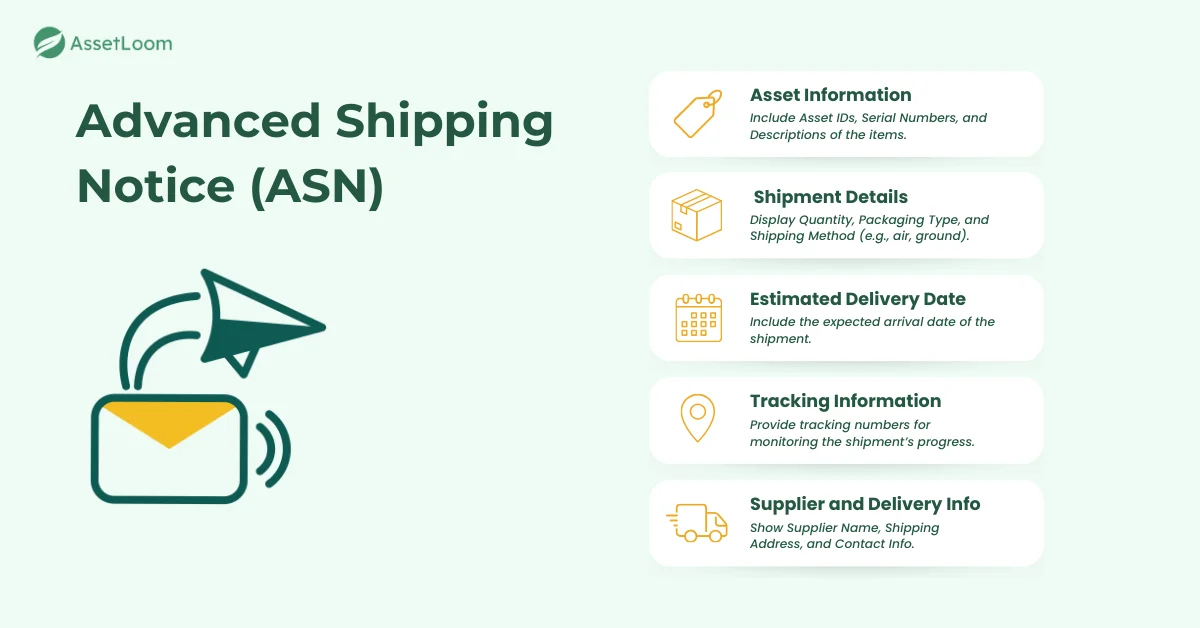
An ASN typically includes the following data:
- Asset Information: Asset IDs, serial numbers, and descriptions of the items.
- Shipment Details: Quantity, packaging type, and shipping method (e.g., air, ground).
- Estimated Delivery Date: Expected arrival date of the shipment.
- Tracking Information: Tracking numbers to monitor the shipment’s progress.
- Supplier and Delivery Info: Supplier name, shipping address, and contact details.
ASNs are especially useful in IT Asset Management (ITAM), where it’s crucial to keep track of physical IT assets. By providing early visibility into shipments, ASNs help teams stay organized and reduce surprises when assets arrive. With an ASN, IT teams can prepare for asset deployment, inventory updates, or other logistical tasks in advance, ensuring smoother operations when assets are received.
How ASN Works in IT Asset Management
Advanced Shipping Notices (ASNs) play a vital role in streamlining the process of receiving and managing IT assets. Here’s how ASN helps in tracking assets from shipment to deployment:
1. Supplier Prepares and Sends the ASN
The process begins when a supplier or vendor generates an ASN, signaling that the shipment is ready. The ASN includes details like the contents of the shipment, quantities, and expected arrival dates. This gives the receiving team a preview of what’s to come, so they can plan accordingly.
2. Recipient Receives the ASN
The ASN is sent to the recipient (usually the IT team or logistics department). It’s typically delivered electronically, either via email or directly to an IT Asset Management system. This early notice enables the receiving team to make necessary preparations, such as setting up storage space or notifying staff.
3. Receiving ASN Data
Once the ASN is received, the IT team reviews it for important shipment details, such as:
- What assets are being delivered (e.g., laptops, servers)
- Quantity of items
- Tracking information to follow the shipment
- Estimated delivery date
This helps the team organize and prepare for the arrival of assets in advance.
4. Tracking Assets in Transit
With the ASN, the IT team can track the shipment as it moves from the supplier to its destination. The real-time tracking feature helps ensure visibility and provides updates if any delays or issues occur. The team can take proactive steps to address any potential problems before the assets even arrive.
How ASN Improves Asset Visibility
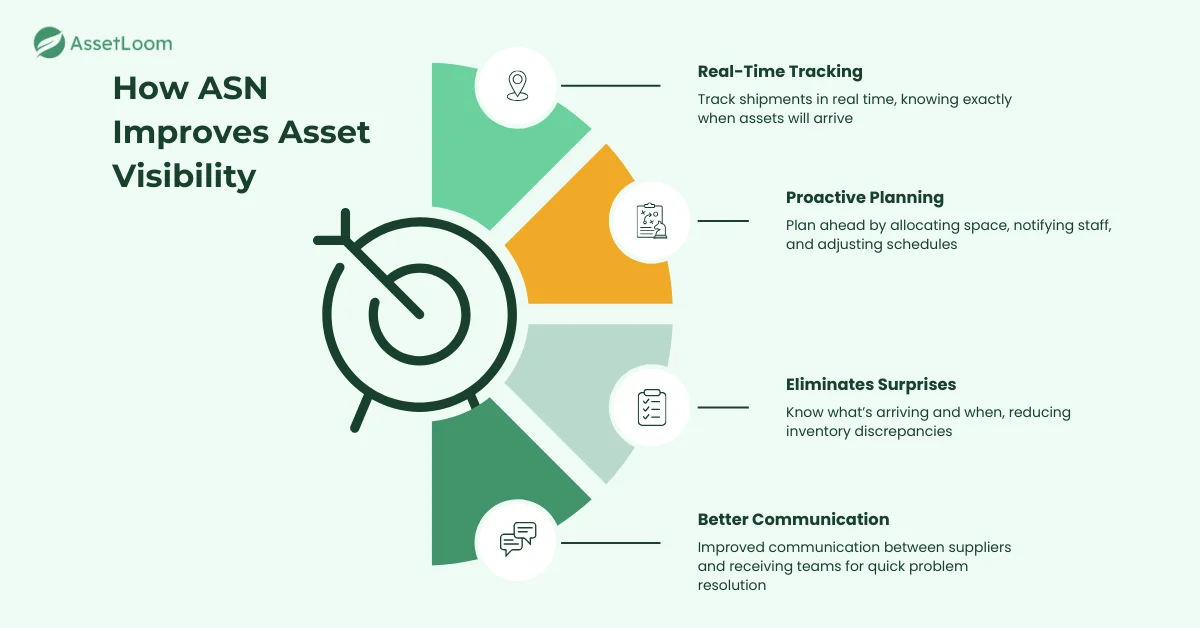
An Advanced Shipping Notice (ASN) enhances asset visibility by providing important details about shipments before they arrive. Here’s how ASNs help improve the management and tracking of assets:
- Real-Time Tracking: With ASN tracking numbers, IT teams can follow shipments in real time, knowing exactly when the assets will arrive. This helps ensure everything is on track and reduces surprises during delivery.
- Proactive Planning: By receiving the ASN in advance, teams can plan ahead. Whether it’s allocating space, notifying staff, and adjusting schedules, the assets are ready for deployment as soon as they arrive. This minimizes downtime and speeds up the entire process.
- Eliminates Surprises: ASNs provide transparency by detailing what items are being shipped, how many, and when they’ll arrive. This reduces inventory discrepancies and ensures the correct assets are received.
- Better Communication: ASNs improve communication between suppliers and the receiving team. If there are delays or issues during shipping, the ASN helps notify the team early, allowing for quick adjustments and problem-solving.
By improving visibility, ASNs help streamline the entire asset management process, from shipment to deployment. With early access to detailed shipment information, IT teams can act proactively, ensuring assets are tracked, received, and deployed efficiently.
Using ASN for Efficient IT Asset Deployment
An Advanced Shipping Notice (ASN) is a powerful tool for streamlining IT asset deployment. By leveraging ASN data, IT teams can improve efficiency and ensure a smoother deployment process. Here’s how you can make the most of ASN for fast, organized deployment:
1. Prepare in Advance with ASN Data
Once you receive the ASN, take immediate action to get ready for the shipment’s arrival. Here’s what you can do:
- Review the Asset List: Look over the types and quantities of assets being shipped. This helps you know exactly what to expect.
- Allocate Space: Based on the shipment details, set aside appropriate space for the new assets, whether it’s storage or desk setups.
- Notify the Team: Inform your IT support team or other relevant staff members about the incoming assets, so they can be ready for installation or configuration.
2. Track Shipments in Real-Time
Use the tracking number from the ASN to follow the shipment’s progress. Real-time tracking keeps you informed about when the shipment is expected to arrive and helps prevent any last-minute issues. If there are any delays or problems along the way, you’ll have time to adjust your plans or inform others about potential changes.
3. Ensure Quick Asset Validation Upon Arrival
When the assets arrive, it’s crucial to validate them against the ASN. Cross-check important details like asset IDs, quantities, and condition to make sure everything matches. This validation step prevents discrepancies and ensures that you’re receiving the correct items. If you’re using an ITAM system, ASN data can be automatically captured, saving time and reducing manual entry errors.
4. Deploy Assets Based on Priority
Not all assets need to be deployed immediately. Use the ASN to prioritize deployment based on urgency. For instance, if you have laptops for new employees or critical servers, get those deployed first. The ASN allows you to plan for the most urgent assets and distribute them where needed. If the shipment is large, you can also break the deployment into phases to avoid overwhelming the team.
5. Track Asset Movement and Assignments
After deploying the assets, it’s important to keep track of where each item goes. Update your ITAM system with asset assignments immediately. This ensures that each asset is accounted for and that all personnel know which devices or equipment they’re responsible for. Real-time updates help maintain accurate records and prevent confusion over asset ownership.
6. Document and Audit the Deployment
Maintaining an accurate record of asset deployments is essential for compliance and auditing. The ASN gives you a digital audit trail, allowing you to track exactly what was received and where each asset was deployed. If there are any discrepancies between the ASN and the received items, you can quickly identify and address them. Keeping this documentation ensures transparency and accountability throughout the deployment process.
By following these steps, IT teams can use ASN data to prepare in advance, track shipments, validate assets, and deploy them efficiently. ASNs reduce manual work, help prioritize deployment, and improve asset management, ensuring a smooth transition from arrival to deployment.
Practical Applications of ASN Across Industries
Advanced Shipping Notices (ASNs) are valuable in many industries, not just for IT teams. Here’s how ASNs make a difference in various sectors:
- IT and Technology: ASNs help IT teams track hardware deliveries, such as laptops, servers, and networking equipment. With accurate shipment details, teams can prepare for arrival, set up quickly, and minimize downtime.
- Retail: Retailers use ASNs to manage inventory and plan for incoming stock. By knowing exactly what’s coming and when, they can avoid stockouts, prepare shelves, and ensure products are ready for sale.
- Manufacturing: In manufacturing, ASNs help track raw materials, machinery, and tools. This ensures that the right materials are available when needed, keeping production running smoothly and preventing delays.
- Healthcare: ASNs are crucial for healthcare facilities to track medical equipment, supplies, and pharmaceuticals. With timely updates, hospitals can plan for usage and avoid delays in patient care.
- Logistics and Supply Chain: Logistics companies use ASNs to track shipments across the supply chain. Real-time updates help streamline operations, improve accuracy, and ensure timely deliveries.
Across these industries, ASNs provide visibility, accuracy, and efficiency, helping teams stay organized, reduce delays, and improve overall operations.
Glossary of Related Terms
Frequently Asked Questions (FAQs)
How does ASN help prevent asset loss during shipping?
ASNs provide real-time tracking information, allowing your team to monitor shipments as they travel. If any issues arise, such as delays or misdelivery, your team is notified promptly and can take action to minimize loss.
What should I do if ASN data doesn’t match the delivered assets?
If the ASN data doesn’t match the delivered assets, verify the discrepancies by checking asset IDs, quantities, and descriptions. You can also contact the supplier with the ASN details to resolve any issues or return incorrect items.
Can ASN track software and licenses in addition to physical assets?
Yes, ASNs can track software licenses and digital assets in addition to physical hardware. This allows for a structured way to manage non-physical IT assets, ensuring proper delivery and tracking.
How do I integrate ASN with my existing ITAM system?
Most modern IT Asset Management (ITAM) systems support ASN integration, either through direct API connections or file imports (e.g., CSV, XML). Contact your ITAM provider for specific integration guidelines.
How does ASN help with asset depreciation and lifecycle tracking?
By providing detailed data on each asset’s arrival and condition, ASNs help track asset lifecycles, including depreciation. This enables better planning for asset replacements, upgrades, and disposals.